After the Hail, Before the Rust: Why Calgary Drivers Need More Than Dent Repair
Alberta's 2026 hail season started early. After PDR fixes the dents, your paint still has micro-fractures and exposed primer. Here's what to do next.
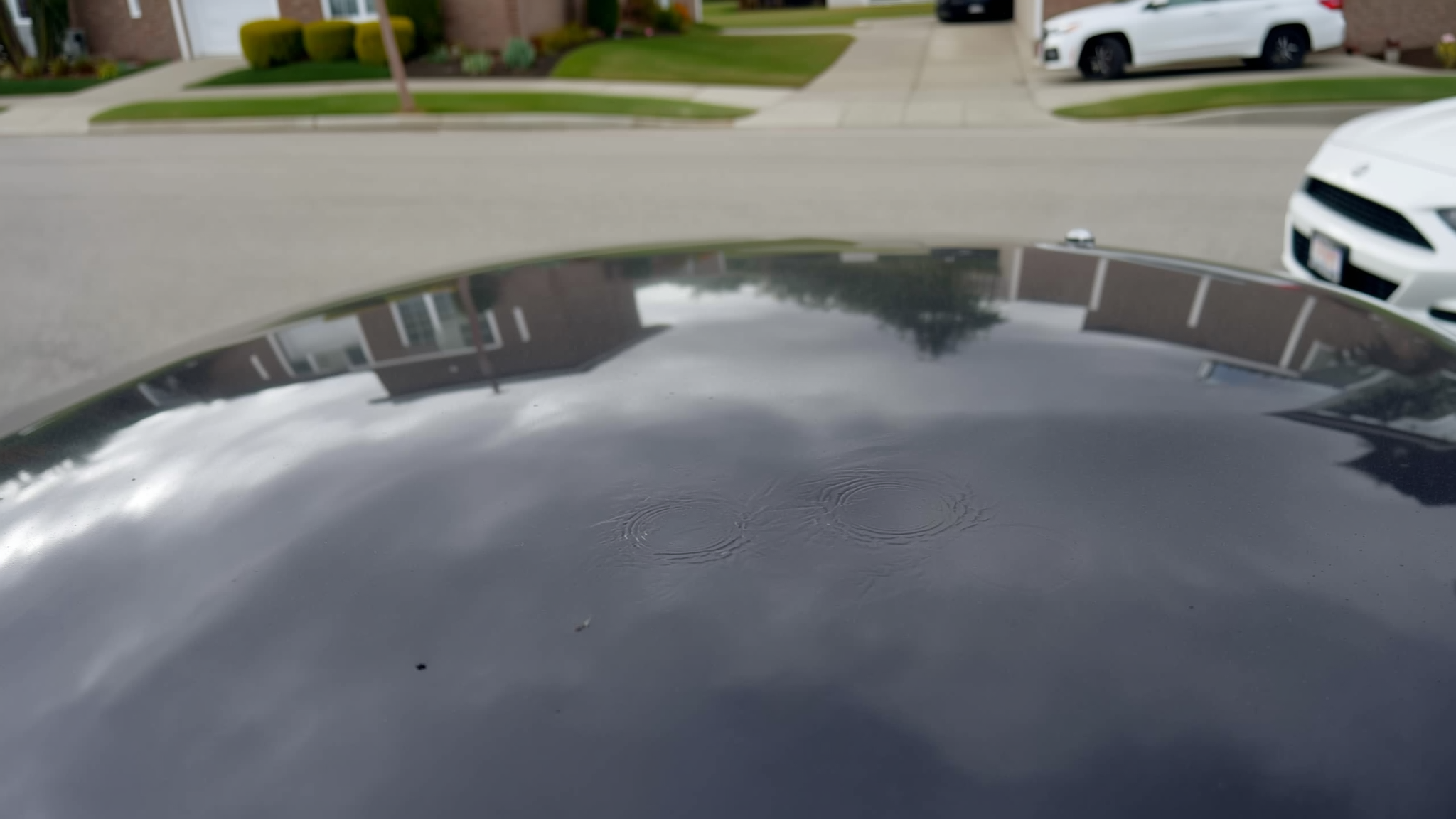
Southern Alberta's 2026 hail season arrived early. Severe thunderstorms rolled through on June 23, weeks ahead of the typical peak, and a destructive supercell west of Edmonton on July 25 dropped hailstones large enough to shatter windshields and crater body panels. If you've lived in Calgary for more than a year or two, none of this is surprising. What might be surprising is what hail does to your vehicle beyond the dents you can see.
The Insurance Bureau of Canada reports that Alberta has recorded at least one major hailstorm every single year for the past decade, totalling roughly $8 billion in insured damage. A single August 2024 Calgary hailstorm generated over 130,000 insurance claims and $2.8 billion in insured damage — the costliest hailstorm in Canadian history. Vehicles absorb more than half of all hail damage claims, making this a car problem as much as a property problem.
Most vehicle owners who get caught in a hailstorm focus on the obvious damage: dents in the hood, roof, and trunk lid. They file an insurance claim, get paintless dent repair (PDR), and assume the problem is solved. In many cases, the dents are fixed and the vehicle looks great. But there's a layer of damage that PDR doesn't address, and if you ignore it, it will cost you more than the dent repair did.
What Hail Does to Clear Coat That PDR Doesn't Fix
Paintless dent repair works by massaging the metal back into shape from behind the panel. It's a skilled trade, and a good PDR technician can make dents disappear without disturbing the factory paint. That's the whole point — the paint stays intact, so there's no need for filler, primer, or repainting.
But "paint stays intact" and "paint is undamaged" aren't the same thing. When a hailstone strikes your vehicle at speed, it compresses the metal and the paint layers above it. The metal is ductile — it dents and can be pushed back. The clear coat on top of the paint is not ductile. It's a rigid, brittle layer, and the impact creates micro-fractures that aren't visible to the naked eye immediately after the storm.
These micro-fractures are hairline cracks in the clear coat. They don't show up as obvious chips or peeling, but they compromise the barrier that protects the colour coat and primer beneath. Over the following weeks and months, water, road salt, UV radiation, and chemical contaminants seep through those fractures and begin to attack the layers underneath. You'll eventually notice it as small spots of oxidation, cloudy patches in the clear coat, or areas where the paint starts to look dull compared to adjacent panels.
This is the damage that most body shops and PDR technicians don't mention — not because they're hiding it, but because it's outside their scope of work. PDR fixes the metal. What happens to the clear coat after that is a detailing and paint protection conversation.
The Rust Timeline in Alberta's Climate
Alberta's climate accelerates every stage of this process. The hail hits in summer, the micro-fractures form, and then the vehicle goes through six months of winter where it's exposed to road salt, calcium chloride, sand, and freeze-thaw cycles that work moisture into every crack.
Once water reaches the bare metal through compromised clear coat, oxidation starts. In Alberta's winter conditions, with salt spray and frequent temperature swings across the freezing point, a micro-fracture can develop into a visible rust spot in a single season. By the time you notice the rust, the damage has spread under the paint around the original impact point, and what started as an invisible crack now requires bodywork to repair properly.
This is why the window between hail damage and the first winter matters. If you get PDR done in July or August and drive through winter without addressing the clear coat, you're giving those micro-fractures six months to deteriorate.
Paint Correction After PDR: The Step Most People Skip
A professional paint correction after PDR serves two purposes. First, it removes any marring or surface damage that the PDR process itself may have introduced — technicians sometimes leave light marks from their tools or from the process of accessing panels from behind. Second, and more importantly, a paint correction identifies and addresses the micro-damage from the hail impacts.
Paint correction involves using a machine polisher with progressively finer abrasive compounds to level the clear coat surface. Light micro-fractures can be polished out entirely if they haven't penetrated too deep. Deeper damage may require spot treatment or, in some cases, a referral for localized clear coat reapplication.
After correction, a ceramic coating or sealant applied to the freshly corrected surface seals those areas and creates a protective barrier for the next exposure. The combination — PDR for the metal, paint correction for the clear coat, ceramic coating for ongoing protection — is the complete response to hail damage. Most people stop after step one.
Paint Protection Film: The Pre-Hail Investment
If you've been through one Calgary hail season, you know there will be another one. The question isn't whether hail will hit again — it's whether your vehicle will be better prepared next time.
Paint protection film (PPF) is a thermoplastic urethane film applied to the vehicle's painted surfaces. It's typically 6 to 8 mils thick and is designed to absorb impact without transferring the full force to the paint beneath. PPF won't prevent dents from large hailstones — nothing short of covered parking will do that — but it significantly reduces the clear coat micro-fracturing that causes the long-term paint damage described above.
PPF also has self-healing properties for light surface scratches and swirl marks. Minor abrasions in the film close up when exposed to heat, either from the sun or warm water. This means the film itself maintains its appearance over time, and the paint underneath stays in factory condition.
Most vehicle owners in Alberta apply PPF to the highest-impact areas: the full hood, front bumper, front fenders, and side mirrors. These are the surfaces that take the most direct exposure from hail (hoods and roofs) and from road debris year-round. A full-vehicle wrap is also available for maximum protection, though the cost scales accordingly.
The math on PPF in Calgary is different from most other cities in Canada. When you're in one of North America's most hail-prone corridors, and you know your insurance premiums have already absorbed $8 billion in hail claims over the past decade, the cost of protecting your paint is easier to justify than in a city where hail is a once-a-decade event.
Ceramic Coating as the Post-Hail Baseline
If PPF isn't in the budget right now, ceramic coating is the next best layer of protection. It won't absorb physical impacts the way PPF does, but it creates a chemical-resistant, hydrophobic surface that makes your clear coat significantly more resilient to the secondary damage — water intrusion, salt corrosion, UV breakdown — that turns hail micro-fractures into visible paint failure.
Ceramic coating also makes your vehicle easier to maintain through winter. Road salt and grime rinse off a coated surface more readily than an uncoated one, which means less aggressive washing and less risk of introducing new scratches during the months when your paint is most vulnerable.
What to Do If Your Vehicle Was Hit This Season
If your vehicle took hail damage in 2026 and you've already had PDR done, the next step is a professional assessment of your clear coat. A detailer can inspect the impacted panels under proper lighting and identify whether micro-fractures, marring, or early oxidation are present.
If the clear coat is compromised, a paint correction followed by ceramic coating will seal those areas before winter arrives. If the clear coat is in good shape, a ceramic coating on its own still provides meaningful protection for the season ahead.
If you haven't had PDR done yet, get the dent repair first — the metal needs to be back in shape before any paint correction or coating work happens. Then bring the vehicle in for the clear coat assessment.
And if you want to be ready for next summer's hail season, PPF applied during the fall or winter — when shops tend to be less backed up — is the most effective prevention available.
Ready to get your vehicle assessed after hail season? Book an appointment and we'll check your clear coat and recommend the right next step.
---
Protect Your Investment
Ceramic coatings, paint protection film, and more — keep your vehicle protected year-round.
Book a Protection PackageRelated Articles
5 Paint Protection Mistakes I Fix Every Week (And How Much They Cost You)
Every week, I fix paint protection mistakes that could've been avoided in five minutes. These aren't rare cases—I see the same patterns on Civics, F-150s,
Paint Protection for Electric and Hybrid Cars: Why It’s Different and What You Need
Most electric and hybrid manufacturers use specialized paint systems to shave weight and improve aerodynamics. Tesla's multi-coat finishes, for example, ar
Why Your Classic Car's Paint Is Worth More Than You Think
A quality respray on a classic car starts at $5,000 and can easily hit $15,000. Concours-level work? North of $40,000, according to Hagerty. But here's wha