New Cars Cost $66,000 in Canada. Here's How to Make Your Current Vehicle Last.
US-Canada tariffs pushed new car prices up $3K-$8K. With used cars at $37K average, professional detailing and paint protection make financial sense.
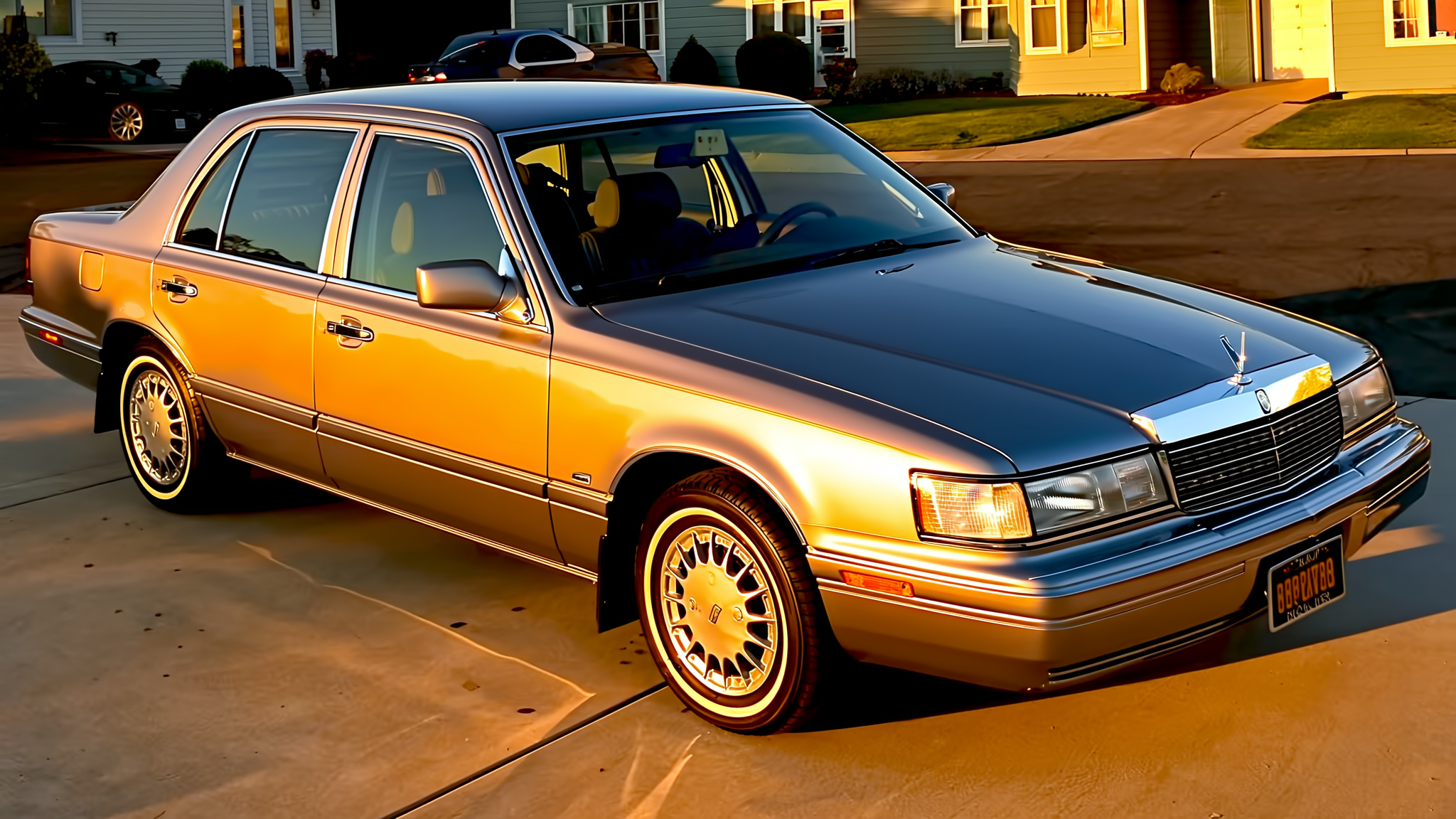
The average new vehicle transaction price in Canada has crossed $66,000. That's not the MSRP of a luxury truck — that's the average across all new vehicles sold, including sedans, hatchbacks, and base-model SUVs. Canada's retaliatory 25% tariff on US-manufactured vehicles, stacked on top of 50% tariffs on imported steel and aluminum, has pushed sticker prices up $3,000 to $8,000 depending on the model and where it was assembled.
The used car market hasn't escaped either. Alberta's average used car price sits at $37,386 according to MoneySense's 2026 market analysis. Auto insurance premiums in the province are up roughly 17% year-over-year. And the cost of parts, maintenance, and repairs for passenger vehicles increased 2.9% from April 2025 to April 2026.
The math is straightforward: buying a new vehicle is more expensive than it's been in decades, buying used isn't much relief, and the cost of maintaining what you already own is climbing too. For most people, the smartest financial decision right now is to keep their current vehicle longer and invest in protecting it.
Why "Keep It Longer" Changes the Maintenance Calculus
When people planned to trade in every three to five years, paint condition was mostly cosmetic. A few swirl marks, some fading, a couple of rock chips on the hood — none of it mattered much because the vehicle would be someone else's problem soon enough. The trade-in value difference between "good" and "excellent" exterior condition was a few hundred dollars, hardly worth stressing about.
That calculus shifts when you're planning to drive the same vehicle for seven, eight, or ten years. Over that time frame, the exterior goes through hundreds of wash cycles, seven or more Alberta winters of road salt and gravel, thousands of hours of UV exposure, and whatever else the province throws at it. Without protection, a vehicle that looks fine at year three can look tired and oxidized by year six, with clear coat failure on horizontal surfaces and rust forming at stone chip sites.
At that point, the cost to fix the damage — paint correction, touch-up, or partial repaint — is substantially more than the cost of preventing it would have been. Prevention is the cheaper path, but only if you start before the damage accumulates.
The Three Layers of Paint Protection Worth Understanding
Your vehicle's factory paint system has three layers: primer, colour coat, and clear coat. The clear coat is the transparent layer on top that provides gloss and protects the colour coat from UV, chemicals, and minor abrasion. It's also the layer that deteriorates first, and once it fails, the damage accelerates rapidly.
Professional paint protection adds layers on top of the clear coat to absorb the abuse that would otherwise fall on the factory finish. There are three main options, and they serve different purposes.
Ceramic coating is a liquid polymer applied to the clear coat that bonds chemically and creates a hard, hydrophobic surface. It doesn't add visible thickness, but it provides chemical resistance, UV protection, and a surface that repels water and contaminants. A professional-grade ceramic coating lasts two to five years depending on the product and how the vehicle is maintained. It makes the vehicle dramatically easier to wash, which reduces the risk of wash-induced scratches over time.
Paint protection film (PPF) is a physical urethane film applied to painted surfaces. It absorbs impacts from road debris, gravel, and minor contact that would otherwise chip or scratch the paint. PPF is typically applied to the highest-impact areas — hood, front bumper, fenders, and side mirrors — though full-vehicle wraps are available. It lasts five to ten years and has self-healing properties for light surface scratches.
Sealants and waxes provide temporary protection measured in weeks to months. They're the lowest-cost option and work well as maintenance products between more durable applications, but they don't offer the long-term chemical resistance or impact protection of ceramic coating or PPF.
For a vehicle you plan to keep for several more years, ceramic coating is the baseline. PPF on the front end is the next step if the budget allows. Together, they keep the factory paint in near-new condition for the duration of your ownership.
What Professional Detailing Does That a Car Wash Doesn't
Drive-through car washes clean the surface, but they don't protect it. The spinning brushes in a friction wash introduce micro-scratches with every visit. Touchless washes avoid the scratches but use harsh chemicals to compensate, which strip any wax or sealant you've applied. Neither option addresses contaminants that bond to the paint — iron fallout from brake dust, tree sap, bird droppings, or industrial fallout.
Professional detailing is maintenance, not vanity. A proper detail includes decontamination — removing bonded contaminants with a clay bar or chemical decontaminant — followed by a sealant or coating maintenance wash that preserves the protective layer. It also includes interior cleaning that prevents the kind of wear and staining that makes a vehicle feel old from the inside.
For a vehicle you're keeping long-term, a professional detail two to four times a year keeps the paint, interior, and trim in the kind of condition that prevents compounding damage. The cost over five years is a fraction of the depreciation you'd absorb from letting the exterior and interior deteriorate.
The Resale Value Argument Still Applies
Even if you're keeping your vehicle longer, you'll eventually sell it or trade it in. Condition matters more in a market where buyers are stretched. When new cars cost $66,000 and used vehicles average $37,000, used car buyers are pickier about what they're getting for the money. A vehicle with well-maintained paint, a clean interior, and no visible oxidation or clear coat failure commands a measurably higher price than the same model in average condition.
Alberta Motor Association data and dealer trade-in guides consistently show a condition premium of $1,500 to $4,000 between "fair" and "excellent" exterior condition for vehicles in the five-to-eight-year-old range. That premium is larger than the total cost of ceramic coating and regular professional detailing over the same period.
The financial case for protecting your vehicle isn't about spending money — it's about spending less money than the alternative. The alternative is accelerated depreciation, more expensive repairs when the damage compounds, and a lower return when you eventually sell.
Where to Start
If your vehicle hasn't had any paint protection and you're planning to keep it for several more years, the starting point is a professional assessment. The condition of your clear coat determines what's needed: if it's still in good shape, ceramic coating can go directly on top. If there's existing damage — swirl marks, oxidation, light scratches — a paint correction first brings the surface back to a clean baseline before anything is applied.
The earlier you start, the less correction is needed and the more of the factory finish you preserve. A vehicle with three years of unprotected wear needs more preparation than one with six months of wear. That preparation adds cost, so the sooner you act, the less the total investment.
If you want to know where your vehicle stands and what it would take to protect it for the long term, book an assessment and we'll walk through your options based on what your paint actually needs.
---
Protect Your Investment
Ceramic coatings, paint protection film, and more — keep your vehicle protected year-round.
Book a Protection PackageRelated Articles

Sherwood Park Is the Edmonton-Area Car Town Nobody Writes About
Thirty-three years of organized car shows. A dealership running Cars & Coffee all summer. A custom shop with a burnout competition. And zero editorial coverage — until now.

Canada Is Fighting a Two-Front Car War. Alberta Is Watching From the Cheap Seats.
The trade talks collapsed on a Friday night. Canada's retaliation kicks in September 8. Meanwhile, the Chinese EV quota meant to deliver cheap cars is mostly importing Teslas.

The Auto Detailing Industry Just Hit $1.8 Billion in Canada. Here's What's Driving It.
Canada's auto detailing market grew 3.5% annually since 2021 with 3,929 businesses. Ceramic coating, PPF, and changing demographics are reshaping the industry.