Before the Pause: What Honda's $15B Alliston Bet Looked Like in April 2024
Thirteen months after Honda announced a $15B EV supply chain in Alliston, Ontario, the project was postponed. A retrospective on the April 2024 announcement and what the subsidy playbook actually signalled.

Before the Pause: What Honda's $15B Alliston Bet Looked Like in April 2024
By Sahr Saffa
On April 25, 2024, Honda announced a CAD 15 billion investment in Ontario electric vehicle manufacturing, the largest single auto-sector investment in Canadian history (also: CNBC). The plan covered four plants: an electric vehicle assembly plant in Alliston, a standalone battery plant, a cathode active material plant, and a separator plant. Honda projected 240,000 electric vehicles per year, with production starting in 2028.
Thirteen months later, in May 2025, Honda postponed the project by at least two years, citing softening EV demand. The structural analysis below is the April 2024 view — what the deal looked like at the moment of announcement, and what it signalled about the subsidy playbook that produced it. The postponement changes the timeline, not the architecture. Both are worth reading now as a record of how industrial-policy bets get framed, structured, and later revised.
Why Honda picked Alliston
The new EV assembly plant was to be co-located with Honda's existing Canadian manufacturing complex in Alliston, Ontario. That wasn't incidental. Honda already runs two plants in Alliston building the CR-V and the Civic, and the workforce, the supplier base, and the logistics corridors are mapped. Building an EV plant next door instead of starting from scratch in a new jurisdiction saves the cost of discovering which municipal permitting office actually matters and which tier-two supplier can meet a delivery window.
The battery plant partnership included Asahi Kasei for separator material and POSCO Future M for cathode active material. That was the vertical integration piece: Honda wasn't buying cells from LG or CATL on contract terms that shift every 18 months. They were building cathode and separator capacity in Ontario with named partners, which meant they would own more of the cost structure and more of the delivery risk.
What the $5 billion subsidy delivered
Per The Globe and Mail's reporting, the federal and Ontario governments committed roughly CAD 5 billion in combined tax credits and direct support for the Honda project. That is a third of the total capital commitment, and it is the subsidy model that had been deployed for Stellantis, Volkswagen, Northvolt, and Honda in the span of 24 months.
The part worth paying attention to was the consistency. Every deal followed the same architecture: production tax credits tied to battery cell output, capital grants for construction, and workforce training commitments that show up in the press release but rarely in the quarterly earnings call. The structure signalled that Canada was not negotiating these one-off. There was a playbook, and the playbook was being executed at a pace that assumed the credits would survive the next government.
240,000 annual EV production capacity in context
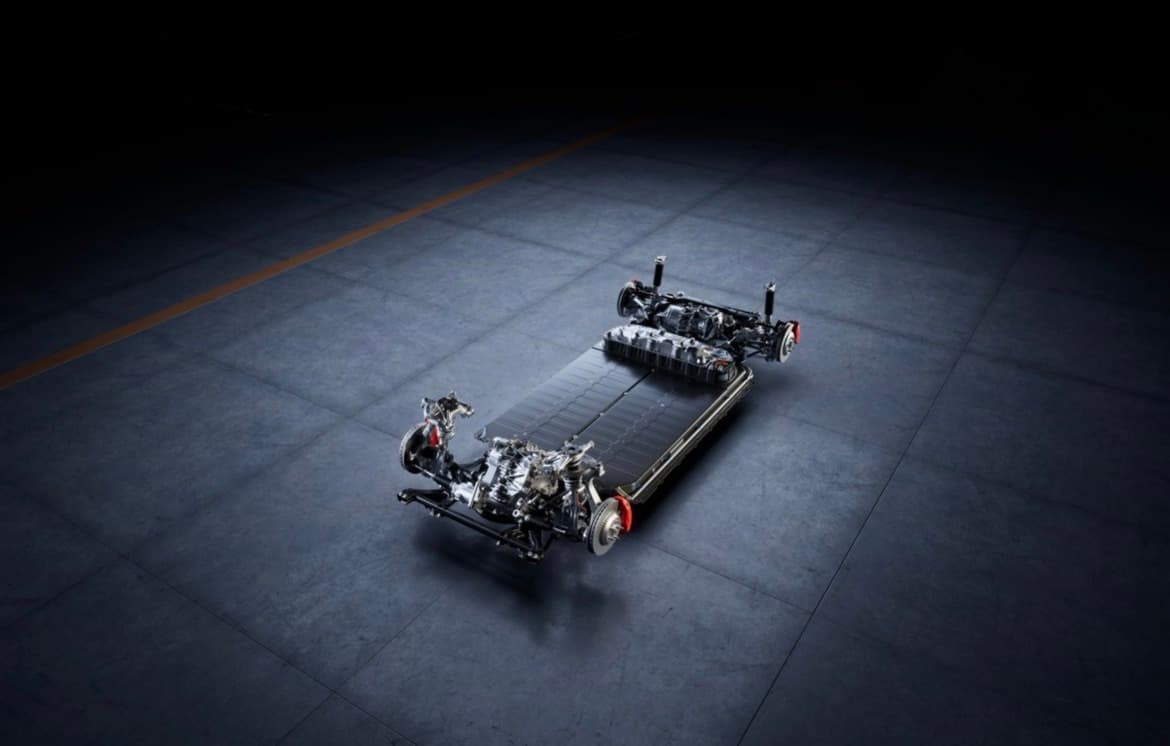
Honda's announced production target was 240,000 electric vehicles per year starting in 2028. The Alliston output was not sized for the Canadian market. It was sized for export, likely into the U.S. market where Honda had committed to launching a series of EVs on its new e:Architecture platform.
That export dependency is the structural risk that ultimately mattered. If U.S. trade policy shifts, or if the IRA's domestic content requirements tighten in ways that disadvantage Canadian-made batteries, then a plant designed to ship units south has to either find new buyers or run below capacity. The 2025 postponement did not come from a trade shock; it came from softer EV demand than the 2024 forecasts assumed. The timing lesson is the same either way: plants scaled to 2028 markets are bets on a forecast that changes faster than the concrete sets.
What Canada's largest automotive investment signalled
The cleanest signal in April 2024 was that the federal-provincial subsidy playbook was working on its own terms. Jobs announced, timelines published, OEMs committing capital at a scale that assumed Canada would remain a stable, integrated part of the North American auto supply chain through the coming decade.
Execution risk was real, but it was quiet. No one at Queen's Park or in the PMO was pricing in the probability that half these plants would run late or that battery demand would undershoot projections. The bets were being made as if the timelines were certain and the market was guaranteed. That is how industrial policy works when it works: confidence substitutes for certainty, and the capital flows in before anyone has time to model the downside.
The Honda announcement was the largest because it came last, and because it stacked four plants into one headline number.
What the postponement tells us
Thirteen months after the announcement, Honda delayed the project by a minimum of two years. The federal and Ontario governments still have their commitments on paper. The workforce training pipeline still exists. The site plan, the partners, and the vertical integration thesis didn't change. What changed was the demand forecast the whole thing was built on.
The postponement is the thing the April 2024 analysis couldn't see but should have weighted more. Subsidy architecture is robust to delay — that is a feature, not a bug — but the playbook's credibility rests on the plants actually opening. A 2028 target pushed to 2030 is still within the window of a single political cycle. A 2028 target pushed to "unclear" starts to look like the previous generation of auto-sector announcements that never fully landed. Whether this is a blip or a pattern depends on whether Volkswagen's St. Thomas timeline holds, whether Stellantis Windsor ships on its committed battery module schedule, and whether the IRA-linked tax credits survive a U.S. administration change.
The playbook isn't broken. It just got its first scheduled reality check. The next 18 months of announcements and revisions will tell us whether Canada's EV subsidy era is maturing into execution or sliding into the same cycle of slippage that defined the last decade of industrial policy.
Ready for Professional Car Care?
Experience the Sahr, Rhymes with Car difference — mobile detailing that comes to you.
Book NowRelated Articles

Canada Is Fighting a Two-Front Car War. Alberta Is Watching From the Cheap Seats.
The trade talks collapsed on a Friday night. Canada's retaliation kicks in September 8. Meanwhile, the Chinese EV quota meant to deliver cheap cars is mostly importing Teslas.

The Auto Detailing Industry Just Hit $1.8 Billion in Canada. Here's What's Driving It.
Canada's auto detailing market grew 3.5% annually since 2021 with 3,929 businesses. Ceramic coating, PPF, and changing demographics are reshaping the industry.
Canada's Used EV Market Just Hit a New Price Floor
Over half of used EVs in Canada now sell under $35,000. The 2022-2023 off-lease wave, shrunken incentives, and transferable 8-year battery warranties have rebuilt the residual math from the ground up.