Capital Exodus and the Car You Already Own
Roughly $1 trillion in investment capital has left Canada over the decade from 2015 to 2024, according to RBC analysis cited in Canadian business press (We

Roughly $1 trillion in investment capital has left Canada over the decade from 2015 to 2024, according to RBC analysis cited in Canadian business press (Wealth Professional). The number is large enough to abstract itself into irrelevance, until you watch where it lands next. Brookfield Asset Management moved its corporate headquarters from Toronto to New York in December 2024, citing inclusion in U.S. equity indices as a principal driver (The Globe and Mail). CPP Investments now holds approximately 12% of its portfolio in Canadian assets (a record low) while 47% sits in U.S. assets, a record high (Policy Options / IRPP).
The pension fund managing retirement savings for Canadians has decided the best place for those savings is anywhere but here.
What does foreign direct investment into Canada look like in 2025?
The Hub reports that foreign direct investment into Canada fell 39% in the second quarter of 2025, dropping from $30.2B to $18.5B (The Hub). Foreign acquisitions of Canadian securities fell roughly 60% over the first nine months of 2025 compared to the prior year (The Hub). The capital isn't rotating into safer assets or waiting out a cyclical downturn. It is leaving, in size, and the institutions with the clearest view of long-term Canadian returns are leading the exit.
This is the macro picture. The part worth paying attention to is what happens when that capital flight finds expression in a sector Canadians interact with daily: the automotive supply chain and the vehicles it produces.
How severe is Canada's auto production decline?
Canadian motor-vehicle production fell from about 2.3 million units in 2016 to about 1.2 million in 2025, a halving in under a decade (CBC News). The 2025 decline alone was 5.4%, the largest year-over-year drop among North American nations (CBC News). The Detroit Three automakers' share of Canadian production collapsed from 56% in 2016 to 23% in 2025, while Honda and Toyota's combined share rose from 44% to 77% (CBC News).

Those are not market-share shifts within a stable production base. They are denominator collapses with a survivor bias toward Japanese capital that arrived decades ago and has not yet been called home.
Where did Canada's electric-vehicle manufacturing pipeline go?
Honda paused its $15B Ontario EV and battery buildout for two years in May 2025, following a 2.5 trillion yen (roughly $15.8B USD) global writedown tied to shifts in its electrification strategy (The Logic, Automotive News). Stellantis scrapped plans to build the Jeep Compass at its Brampton, Ontario assembly plant in October 2025, relocating production to an idled facility in Belvidere, Illinois (Automotive News).
Umicore's $2.76B battery-materials plant near Kingston, Ontario remains paused after a strategic review, despite having broken ground in October 2023 with nearly $1B in combined federal and provincial support (CBC News). Northvolt's planned $4B battery plant in Ontario remains uncertain as the Swedish parent grapples with financial instability and has explored bankruptcy options (Electric Autonomy Canada).
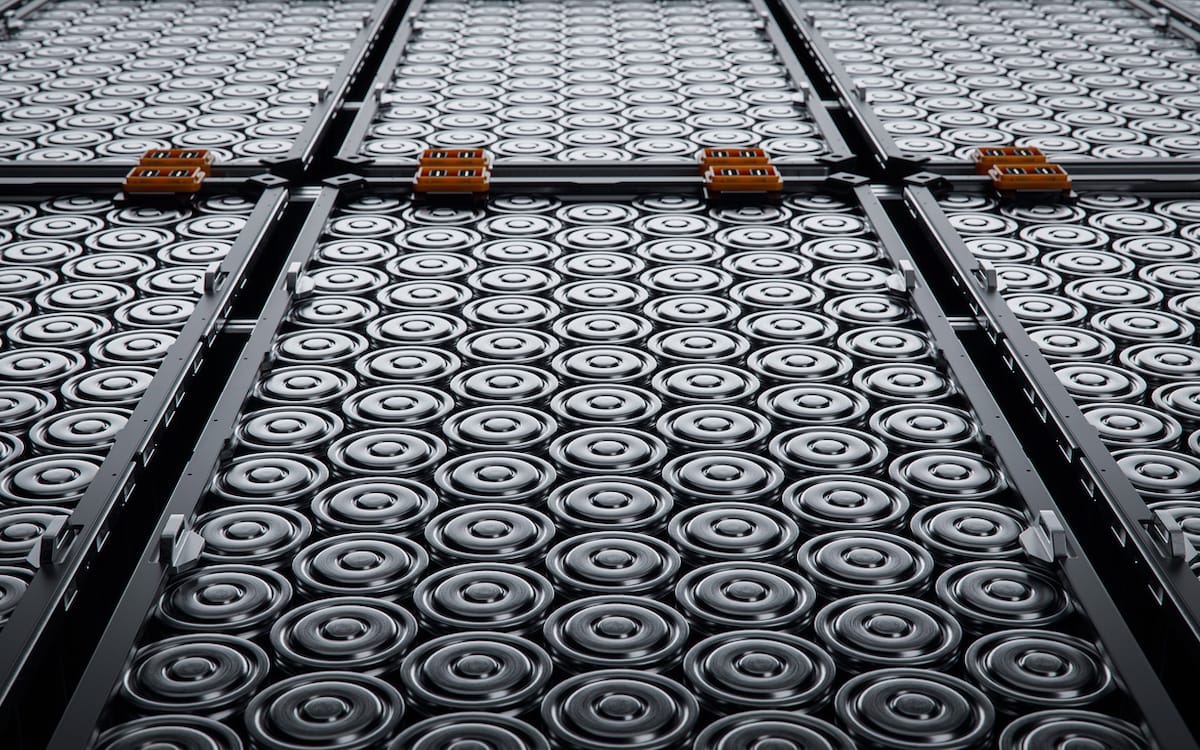
These are not delayed timelines. They are capital allocation decisions made by multinational firms watching the same FDI data as CPP Investments and drawing the same conclusion.
What happens when the new-vehicle pipeline thins?
When production halves and the replacement cycle stretches, the vehicle a Canadian already owns stops being a stepping-stone in a predictable upgrade cadence and becomes the primary asset: infrastructure, not inventory. The structural shift is this: a thinner pipeline of new vehicles arriving on Canadian lots means the existing fleet carries more economic weight for longer. Financing tightens. Replacement intervals extend. The aging sedan becomes the rational hold, not the trade-in.
Read it straight: when capital leaves the sector that supplies the cars and the country that houses the buyers, the economics of care flip. Maintenance costs that once looked discretionary start looking like the cost of continued mobility. The alternative is not a new lease. The alternative is a broken timing belt and no car.
Why the detailing shop becomes part of the equation
When the pipeline of new vehicles into the Canadian market thins, the fleet already on the road stops depreciating into insignificance and starts carrying the weight of continued mobility. Keeping a vehicle roadworthy for another two years is no longer deferred maintenance. It is the plan. Protective care that extends the lifespan of paint, interior surfaces, and undercarriage components stops being discretionary and becomes part of the capital-preservation calculation at the household level.
That is the structural link no one is drawing yet, but it is already visible in the driveway.
Ready for Professional Car Care?
Experience the Sahr, Rhymes with Car difference — mobile detailing that comes to you.
Book NowRelated Articles

Alberta's 2026 Insurance Grid Is a Sorting Mechanism
Alberta's grid base premium rose 20% on January 1, 2026, per a decision issued by the Alberta Automobile Insurance Rate Board on September 26, 2025. ([Armour Insurance](https://www.armourinsurance.ca/blog/alberta-auto-insurance-grid-20-percent-increase-2026), [AIRB](https://al...
EVAP's Free-Trade Filter Keeps Chinese EVs Out
The January tariff deal with China got the noise: a drop from 100% to 6.1% on Chinese-built EVs, a rising five-year import cap starting at 49,000 units, and weeks of editorial hand-wringing about whether Mark Carney had sold the farm.

Sherwood Park Is the Edmonton-Area Car Town Nobody Writes About
Thirty-three years of organized car shows. A dealership running Cars & Coffee all summer. A custom shop with a burnout competition. And zero editorial coverage — until now.