What Is Ceramic Coating? A Plain-English Guide for Edmonton Drivers
Ceramic coating explained without the jargon. What it does, what it doesn't, and whether it's worth it for Edmonton's climate.
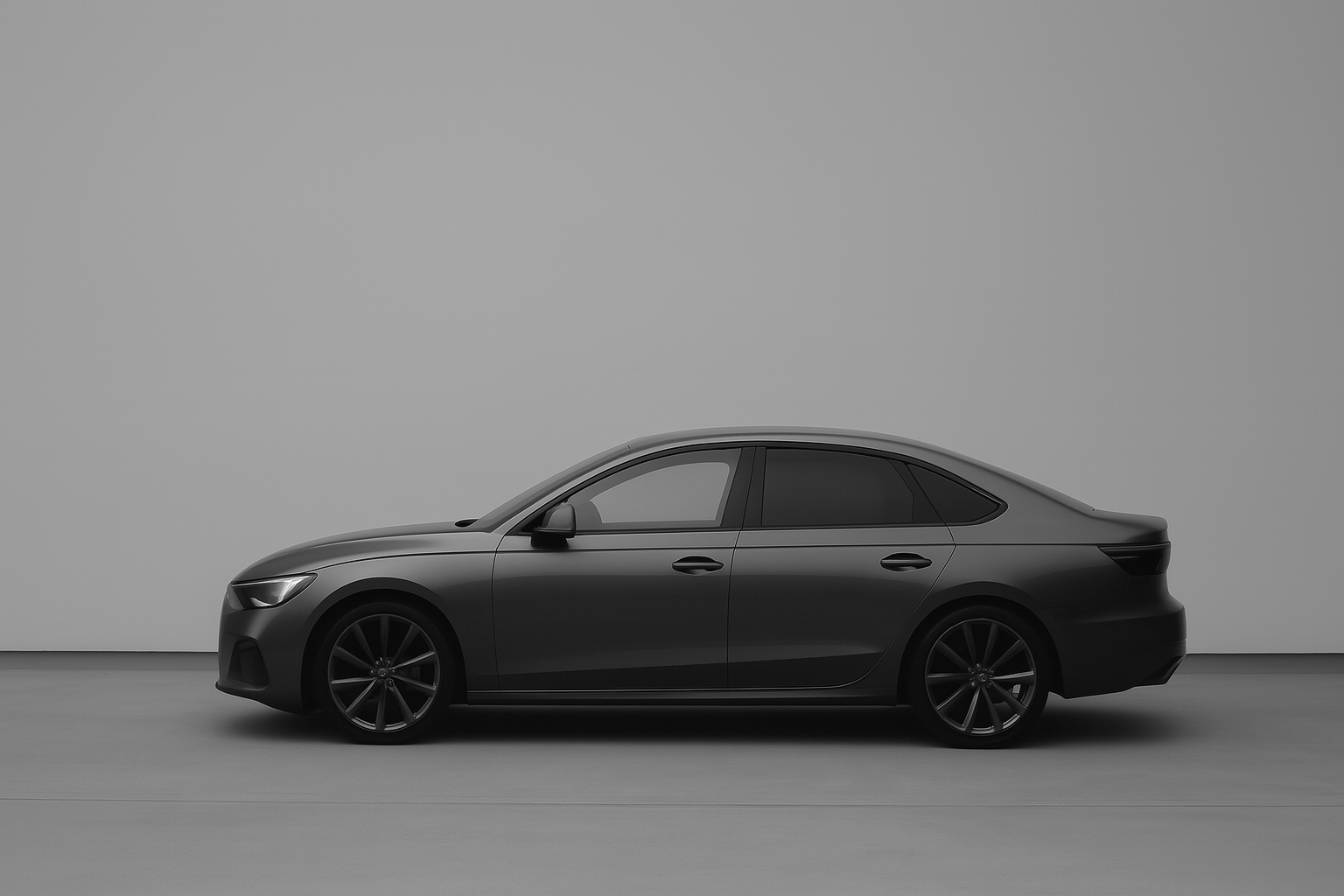
If you've spent any time looking into car protection, you've probably come across ceramic coating. The marketing makes big promises — self-cleaning paint, years of protection, never wax again. Some of that is true. Some of it isn't. Here's a straight answer.
What Ceramic Coating Actually Is
Ceramic coating is a liquid polymer that bonds chemically to your car's clear coat. Once it cures, it forms a hard, transparent layer on top of your paint. Think of it as a semi-permanent shield — much harder and longer-lasting than traditional wax or sealant, but not invincible.
The active ingredient in most professional ceramic coatings is silicon dioxide (SiO₂), sometimes combined with titanium dioxide (TiO₂). When applied to clean, corrected paint and allowed to cure, it creates a surface that's hydrophobic (water-repelling), UV-resistant, and chemically resistant to mild contaminants.
What It Does
Hydrophobic Surface
This is the most visible benefit. Water beads up and rolls off a coated surface instead of sitting and spreading. In practice, this means rain carries dirt off your car, road grime doesn't stick as hard, and washing takes less effort. For Edmonton drivers dealing with road salt slurry all winter, this is genuinely useful — salt water slides off instead of bonding to your paint.
UV Protection
Alberta gets intense UV exposure, especially in summer. Over years, UV light breaks down clear coat and causes oxidation — that chalky, faded look on older paint. Ceramic coating blocks a significant portion of UV radiation, slowing that process.
Chemical Resistance
Bird droppings, tree sap, bug splatter, and road salt are all mildly acidic or corrosive. On unprotected paint, they etch into the clear coat if left too long. A ceramic coating gives you a longer window to clean them off before they cause permanent damage. It doesn't make your paint immune, but it buys time.
Easier Cleaning
Because contaminants don't bond as aggressively to a coated surface, regular washes are faster and more effective. You'll use less product and less effort to get the same result. Over a year, this adds up.
What It Doesn't Do
This is where the marketing gets ahead of the product. Let's be clear about the limitations:
- It doesn't prevent scratches or rock chips. Ceramic coating is hard, but it's microscopic — typically 1–3 microns thick. A shopping cart, a key, or a kicked-up rock will go right through it. Paint protection film (PPF) is the product for impact resistance.
- It doesn't eliminate washing. Your car still gets dirty. The difference is that dirt releases more easily. "Self-cleaning" is an exaggeration. "Easier to clean" is accurate.
- It doesn't fix bad paint. Ceramic coating locks in whatever is underneath. If your paint has swirl marks, scratches, or oxidation, the coating preserves those flaws. That's why professional application always starts with paint correction — the coating goes on only after the paint looks its best.
- It doesn't last forever. Professional coatings typically last 2–5 years depending on the product, application quality, and maintenance. Consumer spray-on "ceramic" products last weeks to months. There's a massive performance gap between professional and consumer-grade products.
Is It Worth It in Edmonton?
Edmonton's climate actually makes ceramic coating more valuable than in milder regions. Here's why:
- Road salt exposure: Five to six months of calcium chloride and sand blasting. A hydrophobic coating reduces how much of that bonds to your paint.
- UV intensity: Alberta gets more sunny days than most of Canada. Summer UV is aggressive on unprotected clear coat.
- Temperature swings: Edmonton can swing 40°C between summer highs and winter lows. Traditional wax breaks down faster in these extremes. Ceramic coating holds up better.
- Less frequent professional washes needed: When every car wash visit involves driving through slush, making each wash more effective has real value.
The short answer: if you plan to keep your vehicle for more than two years, ceramic coating in Edmonton is one of the better investments you can make in paint preservation.
Professional vs. DIY Application
You can buy ceramic coating products online and apply them yourself. For some people, that's a reasonable option. But there are important differences:
Professional Application
- Paint correction (swirl removal, scratch reduction) done first
- Surface decontamination with clay bar and chemical prep
- Controlled environment for application and curing
- Professional-grade products (higher SiO₂ concentration, better durability)
- Even application with no high spots or streaks
DIY Application
- Consumer-grade products (lower concentration, shorter lifespan)
- Risk of uneven application, high spots, and hazing
- No paint correction beforehand (locks in existing flaws)
- Curing conditions hard to control (temperature, humidity, dust)
The biggest risk with DIY is applying coating over uncorrected paint. You end up with a glossy, hydrophobic surface that also has permanently sealed-in swirl marks. Fixing that means stripping the coating and starting over.
Maintenance After Coating
Ceramic coating isn't set-and-forget. To get the full lifespan out of it:
- Wash regularly with a pH-neutral car shampoo (no harsh detergents)
- Avoid automated car washes with abrasive brushes — they degrade the coating faster
- Apply a ceramic boost spray every few months to refresh the hydrophobic layer
- Remove bird droppings and sap promptly — the coating helps, but prolonged exposure still risks etching
What We Offer
We provide ceramic coating as an add-on service to our full detail. The process starts with a thorough exterior wash, clay bar decontamination, and paint correction to remove swirl marks and minor scratches. Only once the paint is clean and smooth do we apply the coating.
Since we're a mobile service, we detail your vehicle at your location. Ceramic coating application does require a covered or sheltered area for curing — a garage is ideal, but a carport works too.
Interested in ceramic coating for your vehicle? Book a consultation or call us at 780-910-2809 to discuss what makes sense for your car and budget.
Protect Your Investment
Ceramic coatings, paint protection film, and more — keep your vehicle protected year-round.
Book a Protection PackageRelated Articles
Paint Correction Explained: When a Wash Isn't Enough
Swirl marks, scratches, and oxidation won't come out in a car wash. Here's what paint correction actually is and when your car needs it.
Mobile Detailing vs. Shop Detailing: Which Is Actually Better?
An honest comparison of mobile and shop-based detailing. Where each one wins, where each one falls short, and how to pick.
Pet Hair, Kid Snacks, and Life: Detailing Tips for Family Vehicles
Real talk about keeping a family vehicle clean when life happens. Practical tips from a detailer who's seen it all.