Paint Correction Explained: When a Wash Isn't Enough
Swirl marks, scratches, and oxidation won't come out in a car wash. Here's what paint correction actually is and when your car needs it.
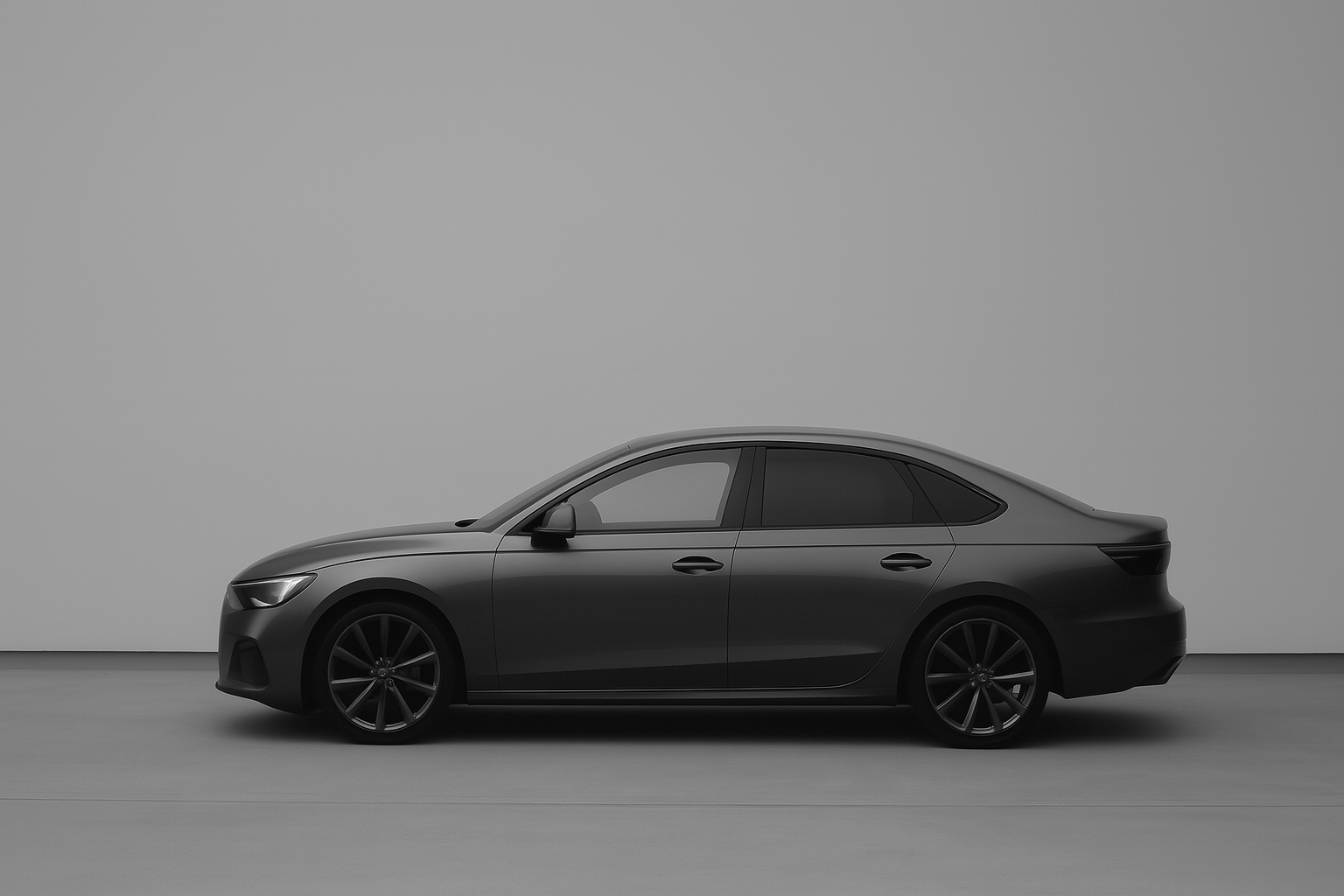
You wash your car, dry it carefully, step back — and the swirl marks are still there. In direct sunlight, they look like spiderwebs across every panel. You've tried different soaps, different towels, different techniques. Nothing changes.
That's because the problem isn't on the surface. It's in the surface. And the fix isn't a better wash — it's paint correction.
What Paint Correction Actually Is
Paint correction is the process of removing imperfections from your car's clear coat by levelling the surface with abrasive compounds and polishes. A machine polisher with the right pad and product removes a controlled amount of clear coat, bringing the surface down to below the depth of the scratch or swirl mark. The result is a flat, uniform surface that reflects light evenly instead of scattering it.
It's not a coating you apply on top. It's a subtractive process — you're removing material to create a smooth surface. That's an important distinction, because it means paint correction is a finite resource. Your car has a limited thickness of clear coat, and each correction removes some of it. Done properly by a professional, the amount removed is minimal and well within safe margins. Done repeatedly by someone inexperienced, it can thin the clear coat to the point of failure.
What Causes Paint Damage
Swirl Marks
The most common paint defect. Swirl marks are fine circular scratches caused by improper washing — usually from dirty wash mitts, automatic car washes with abrasive brushes, or wiping down a dusty car with a dry cloth. They're most visible on dark-coloured vehicles in direct sunlight, where they create that distinctive "spiderweb" pattern.
Nearly every vehicle on the road has swirl marks. Most people don't notice them until they see their car in certain lighting, and then they can't unsee them.
Scratches
Deeper than swirl marks, scratches come from contact with harder objects — keys, belt buckles, shopping carts, branches. Light scratches that catch your fingernail but haven't gone through the clear coat can usually be corrected. Scratches that have penetrated into the base coat or primer are beyond what polishing can fix — those need touch-up paint or respray.
A simple test: run your fingernail across the scratch. If your nail catches, it might be too deep for correction alone. If it's smooth to the touch but visible, it's likely a clear coat scratch that will respond well to polishing.
Oxidation
Over years of UV exposure, clear coat breaks down and becomes chalky and dull. This is especially common on vehicles parked outdoors in Alberta, where summer UV intensity is high. Early-stage oxidation can be corrected by polishing, restoring clarity and depth to the paint. Advanced oxidation where the clear coat has failed entirely (peeling, flaking) is beyond correction and needs repainting.
Water Spots
Hard water (which Edmonton has) leaves mineral deposits when it evaporates on your paint. If caught early, these wipe off. If baked on by sun and heat, the minerals etch into the clear coat and become permanent unless polished out. Sprinkler systems are a common culprit — parking next to a lawn sprinkler all summer can leave etching that no amount of washing will remove.
Bird Droppings and Tree Sap Etching
Both are acidic and will etch into clear coat if left for more than a day or two, especially in warm weather. The etching appears as a dull, rough spot that's slightly recessed into the surface. Light etching responds well to polishing. Deep etching may require wet sanding followed by polishing — a more aggressive and risky process.
The Levels of Correction
Paint correction isn't one-size-fits-all. The industry generally recognizes three levels:
Single-Stage (Enhancement Polish)
One pass with a medium-cut polish. Removes light swirl marks and minor imperfections. Improves gloss and clarity significantly without being aggressive. This is appropriate for newer vehicles with minor wash-induced swirls, or as maintenance between more thorough corrections.
Typical improvement: 60–70% defect removal.
Two-Stage (Standard Correction)
First pass with a cutting compound to remove deeper defects, followed by a finishing polish to refine the surface and maximize gloss. This is the standard professional paint correction and handles the majority of real-world paint damage: moderate swirl marks, light scratches, water spot etching, and mild oxidation.
Typical improvement: 85–95% defect removal.
Multi-Stage (Heavy Correction)
Multiple passes with progressively finer abrasives, sometimes including wet sanding for severe defects. Reserved for neglected paint with heavy oxidation, deep scratches, or extensive damage. This removes the most clear coat and carries the highest risk if done incorrectly. It's also the most time-intensive — a full multi-stage correction on a large vehicle can take a full day or more.
Typical improvement: 95%+ defect removal.
Why You Shouldn't DIY Paint Correction
We encourage DIY for a lot of car care tasks. Paint correction isn't one of them. Here's why:
- Clear coat is finite. Remove too much and it fails permanently. A professional uses a paint thickness gauge to measure clear coat depth before starting and monitors throughout the process.
- Heat management matters. A machine polisher generates friction heat. Too much heat in one spot softens and damages clear coat. Professionals manage speed, pressure, and dwell time to stay in the safe zone.
- Pad and product selection is technical. Different paint systems (hardness varies significantly between manufacturers) require different combinations of pad aggressiveness and compound cut. Getting this wrong means either not removing defects or removing too much clear coat.
- Lighting is critical. You can't correct what you can't see. Professional correction requires inspection lighting that reveals defects at multiple angles. Your garage's overhead fluorescent tube won't cut it.
What Happens After Correction
Freshly corrected paint is at its most vulnerable. The protective layer of oxidation and contamination that was sitting on top is gone. The clear coat is clean, smooth, and completely exposed. This is the ideal time to apply protection — whether that's a paint sealant, wax, or ceramic coating.
In fact, this is the reason ceramic coating applications always start with paint correction. The coating bonds to whatever surface is underneath, so you want that surface to be as clean and defect-free as possible.
How to Prevent Needing Correction
- Wash properly. Use the two-bucket method (one for soapy water, one for rinsing your mitt), a clean microfiber wash mitt, and proper car wash soap — not dish detergent.
- Never use automatic car washes with brushes. Those spinning bristles are the leading cause of swirl marks. Touchless automatic washes are less damaging but still not ideal.
- Dry with clean microfiber towels. Never use chamois, bath towels, or t-shirts. Microfiber is engineered to be soft enough to not scratch clear coat.
- Remove contaminants quickly. Bird droppings, tree sap, and bug splatter should come off within a day or two. Keep a quick detailer spray and microfiber towel in your car for spot cleaning.
- Apply and maintain protection. A wax, sealant, or ceramic coating adds a sacrificial layer between contaminants and your clear coat.
Our Paint Correction Service
We offer single-stage and two-stage paint correction as add-on services to our detail packages. Every correction starts with a thorough wash and decontamination, followed by a paint thickness measurement to ensure safe margins. We use professional dual-action polishers with a range of pad and compound combinations matched to your specific paint system.
After correction, we recommend applying protection — whether that's a sealant for medium-term coverage or a ceramic coating for long-term results.
Want to see what your paint looks like under proper lighting? Book a detail with paint correction or call 780-910-2809 and we'll assess your paint in person.
Ready for Professional Car Care?
Experience the Sahr, Rhymes with Car difference — mobile detailing that comes to you.
Book NowRelated Articles
Mobile Detailing vs. Shop Detailing: Which Is Actually Better?
An honest comparison of mobile and shop-based detailing. Where each one wins, where each one falls short, and how to pick.
What Is Ceramic Coating? A Plain-English Guide for Edmonton Drivers
Ceramic coating explained without the jargon. What it does, what it doesn't, and whether it's worth it for Edmonton's climate.
Pet Hair, Kid Snacks, and Life: Detailing Tips for Family Vehicles
Real talk about keeping a family vehicle clean when life happens. Practical tips from a detailer who's seen it all.