Bought an EV in Alberta? Here's What Your Dealership Didn't Tell You About Paint and Brake Care
Canadian EV sales are up 40% in 2026. Regenerative braking causes caliper corrosion, and higher-value vehicles need paint protection. What EV owners should know.
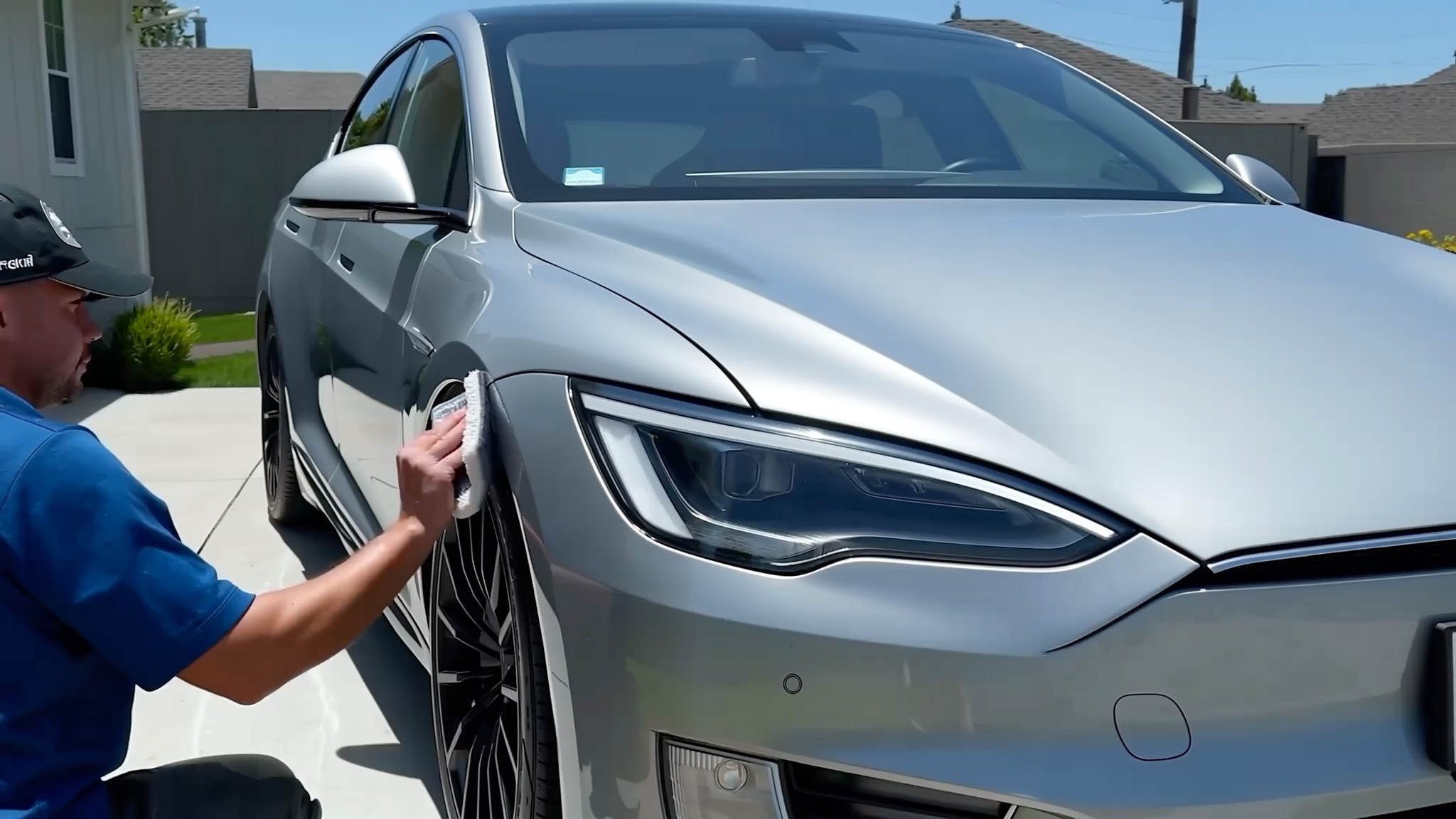
Canadian EV sales are forecast to rise 40.2% in 2026, with 247 electric models now available from 32 brands. Alberta's adoption is accelerating as more affordable models enter the market, and whether you bought a Tesla, a Hyundai Ioniq, a Kia EV6, or any of the growing number of options available, you've made a significant investment in a vehicle you're likely planning to keep for a long time.
What the dealership probably covered: charging infrastructure, range management, and the basics of home charging setup. What they probably didn't cover: the specific care requirements that make EV maintenance different from a gas vehicle, particularly when it comes to paint protection and brake system care in Alberta's climate.
EVs don't need oil changes, timing belts, or exhaust system work. That's the maintenance advantage everyone talks about. But they do have care requirements that are unique to how they're built and how they drive, and ignoring them leads to problems that are more expensive to fix than they are to prevent.
The Regenerative Braking Corrosion Problem
This is the one that catches most EV owners off guard. Regenerative braking uses the electric motor to slow the vehicle and recover energy back to the battery. It's efficient and it's one of the reasons EVs are cheaper to operate — you use the friction brakes far less than in a gas vehicle.
The problem is that "far less" means the brake calipers, rotors, sliders, and backing plates spend most of their time sitting idle. In a dry climate, that would be fine. In Alberta, where vehicles are exposed to road salt, calcium chloride, sand, and moisture for six months of the year, idle brake components corrode.
Friction brakes on a gas vehicle stay relatively clean because they're used constantly. The act of braking generates heat and friction that burns off moisture and keeps the contact surfaces fresh. On an EV, the pads might not make meaningful contact with the rotors for days or weeks at a time, depending on driving style and the level of regenerative braking used. During that time, road salt and moisture attack the exposed metal surfaces.
The result is seized caliper sliders, pitted rotors, corroded backing plates, and in some cases, calipers that stick when you do need them. EV repair costs are already 31% higher than gas vehicles on average — $7,026 compared to $5,345 according to industry data — and brake system repairs on an EV are no exception. Replacing corroded calipers and rotors on an EV can run well into four figures.
What EV Owners Can Do About Brake Corrosion
The fix is surprisingly simple: use your friction brakes deliberately and regularly. Every few drives, reduce your regenerative braking setting and use the brake pedal to make regular stops. This generates the heat and friction that clears moisture and corrosion from the rotor surfaces and keeps the caliper sliders moving freely.
From a detailing perspective, wheel and brake area cleaning matters more on an EV than on a gas vehicle. Because the brakes aren't self-cleaning through regular use, corrosion products — rust dust, salt residue, and brake material deposits — accumulate on and around the brake components. A thorough wheel and caliper cleaning during a professional detail removes these corrosive materials before they cause permanent damage.
Ceramic coating on your wheels also reduces how much brake dust and road salt adheres to the wheel surfaces, making them easier to clean between details and reducing the amount of corrosive material sitting in contact with your brake components.
Why Ceramic Coating Makes More Sense on an EV
Most EVs are higher-value purchases than their gas counterparts. The average EV transaction price is still well above the average for all new vehicles, and EV owners tend to keep their vehicles longer — the ownership cycle is closer to seven to ten years than the traditional three-to-five-year lease or finance cycle.
That combination — higher purchase price and longer ownership — makes paint protection a more compelling investment on an EV than on a gas vehicle you're planning to trade in relatively soon.
Ceramic coating provides the same benefits on an EV as on any vehicle: chemical resistance, UV protection, hydrophobic surface properties, and reduced maintenance effort. But the return on investment is higher because you're protecting a more valuable asset for a longer period of time.
There's also a practical advantage specific to EVs: every trip to a car wash uses charge from the battery, and every unnecessary drive adds wear. A ceramic-coated vehicle requires less frequent washing because contaminants don't bond to the surface as readily. When you do wash, a simple rinse often does the work that would require a full contact wash on an uncoated surface. Over years of ownership, the reduced maintenance effort adds up.
EV Paint Is the Same — the Stakes Are Just Higher
There's no fundamental difference between the paint on an EV and the paint on a gas vehicle. Both use the same primer, colour coat, and clear coat system. Some manufacturers use slightly different clear coat formulations across their lineup, but this isn't an EV-specific distinction.
What is different is the cost of paint repair on an EV. Body panels on EVs are more likely to be aluminum (for weight reduction and range optimization), and aluminum body repair is more specialized and more expensive than steel. Some EV models use structural adhesives instead of traditional welding, which changes how panels are replaced. And because many EVs have batteries integrated into the floor structure, even minor collision repairs can involve battery safety protocols that add cost and time.
All of this means that preventing paint damage is more economically important on an EV than on a comparable gas vehicle. A stone chip on the hood of a gas sedan is a minor cosmetic issue. The same chip on an aluminum-bodied EV panel that sits above a structural battery pack becomes a more complicated repair if it leads to corrosion.
Paint protection film on the front end — hood, bumper, fenders, and mirrors — prevents the stone chips and road debris damage that lead to expensive repairs down the line. Combined with ceramic coating on the full vehicle, you're keeping the factory finish intact for the duration of your ownership.
Underbody Protection: The Battery Tray Factor
EV battery packs are mounted in the floor of the vehicle, protected by a metal tray or skid plate. This tray takes a beating from road debris, and in Alberta, it's constantly exposed to salt spray and moisture from the road surface.
Most EV manufacturers apply corrosion protection to the battery tray, but the quality and durability of that protection varies. An underbody inspection and cleaning during a professional detail can identify early signs of corrosion on the tray and undercarriage before they become structural concerns. Some EV owners also opt for an underbody ceramic coating or rust-proofing treatment for additional protection in salt-heavy climates.
This isn't something most EV owners think about because you can't see the underside of your vehicle day to day. But Alberta's road salt is as aggressive on EV underbodies as it is on any other vehicle, and the stakes are higher because the battery pack sitting behind that tray is the most expensive single component in the car.
Interior Care for EVs
EV interiors tend to feature more screens, more touch-sensitive surfaces, and in many models, vegan leather or synthetic materials instead of traditional leather. These materials have different care requirements.
Screen surfaces attract fingerprints and can develop micro-scratches from improper cleaning. The right approach is a microfiber cloth with a screen-safe cleaner — never household glass cleaner, which can damage anti-glare coatings. Synthetic leather and vegan leather materials are durable but can dry out and crack if not conditioned, just like natural leather, though they require conditioners formulated for synthetic materials rather than traditional leather conditioners.
A professional interior detail for an EV addresses these materials with the right products and techniques, and it's a good opportunity to replace the cabin air filter — EVs have them just like gas vehicles, and they're equally important for cabin air quality, especially during Alberta's wildfire smoke season.
Getting Your EV Set Up for Long-Term Protection
If you've recently purchased an EV, or if you've had one for a while and haven't addressed paint and brake care beyond basic washing, the starting point is an assessment of where things stand. A professional detailer can evaluate your clear coat condition, check your wheels and brake components for corrosion, and recommend the right level of protection based on your vehicle and how you use it.
The ideal sequence for a new or newer EV: paint correction if needed to address any existing swirl marks or defects, ceramic coating on the paint, glass, wheels, and trim, and PPF on the high-impact front surfaces. For the brakes, regular intentional use of friction braking and thorough wheel cleaning at each detail keeps corrosion in check.
If your EV needs a full protection package or you want to get ahead of Alberta's winter salt season, book an appointment and we'll put together a plan based on your specific vehicle.
---
Tags:
Protect Your Investment
Ceramic coatings, paint protection film, and more — keep your vehicle protected year-round.
Book a Protection PackageRelated Articles
The EV Resale Trap: Why a $100 Detail Beats a $2,000 Loss
Most EV owners lose sleep over battery degradation. Meanwhile, their car's resale value is bleeding out through swirl marks on the hood and coffee stains o
Your Sedan Just Cost You $200 You Didn't Need to Spend
The average sedan owner spends $900 a year on maintenance, but most of that money goes to the wrong stuff. You're dropping $80 on a premium wash package wi
Skipping Paint Correction? Here's What It's Actually Costing You
You've noticed the swirl marks. Maybe they only show up in direct sunlight, or when you're standing at the right angle in a parking lot. They're not terrib